The blog explains how hospitality industry trends 2025 are reshaping guest experiences and staff training.
Hospitality spans lodging, food, travel, and entertainment, each needing specialized training.
Key trends include AI personalization, regenerative travel, bleisure, wellness, and automation.
Success depends on blending digital tools with empathetic, high-quality human service.
A dedicated LMS for hospitality helps scale consistent, role-based training across teams.
What is the Hospitality Sector? More Than Just a Stay
Before diving into the future, it's crucial to define the landscape. What is the hospitality industry? At its core, it is a broad category of fields within the service industry centered on delivering experiences, rather than tangible products. It is driven by the principle of receiving and entertaining guests with goodwill, encompassing a wide range of services focused on customer satisfaction, leisure, and luxury .Understanding hospitality industry trends 2025 is essential for businesses aiming to stay competitive.
The sector is a major economic engine, employing millions globally and contributing significantly to GDP. Its performance is often a key indicator of overall economic health and consumer confidence. That’s why modern learning platforms like Calibr Learn has become essential. It act as an lms for hospitality, helping teams receive personalized, scalable training that aligns with guest expectations. By offering personalized, role-based, and easily scalable training, Calibr ensures hospitality teams are not only equipped with today’s skills but also prepared to meet tomorrow’s evolving guest expectations. Thus, by choosing the best LMS for employee training, hospitality brands can standardize learning and track progress efficiently.
Ready to elevate your hospitality training? Start your free trial or get in touch with us to see how Calibr can transform your workforce.
The Vast Ecosystem of the Hospitality Industry
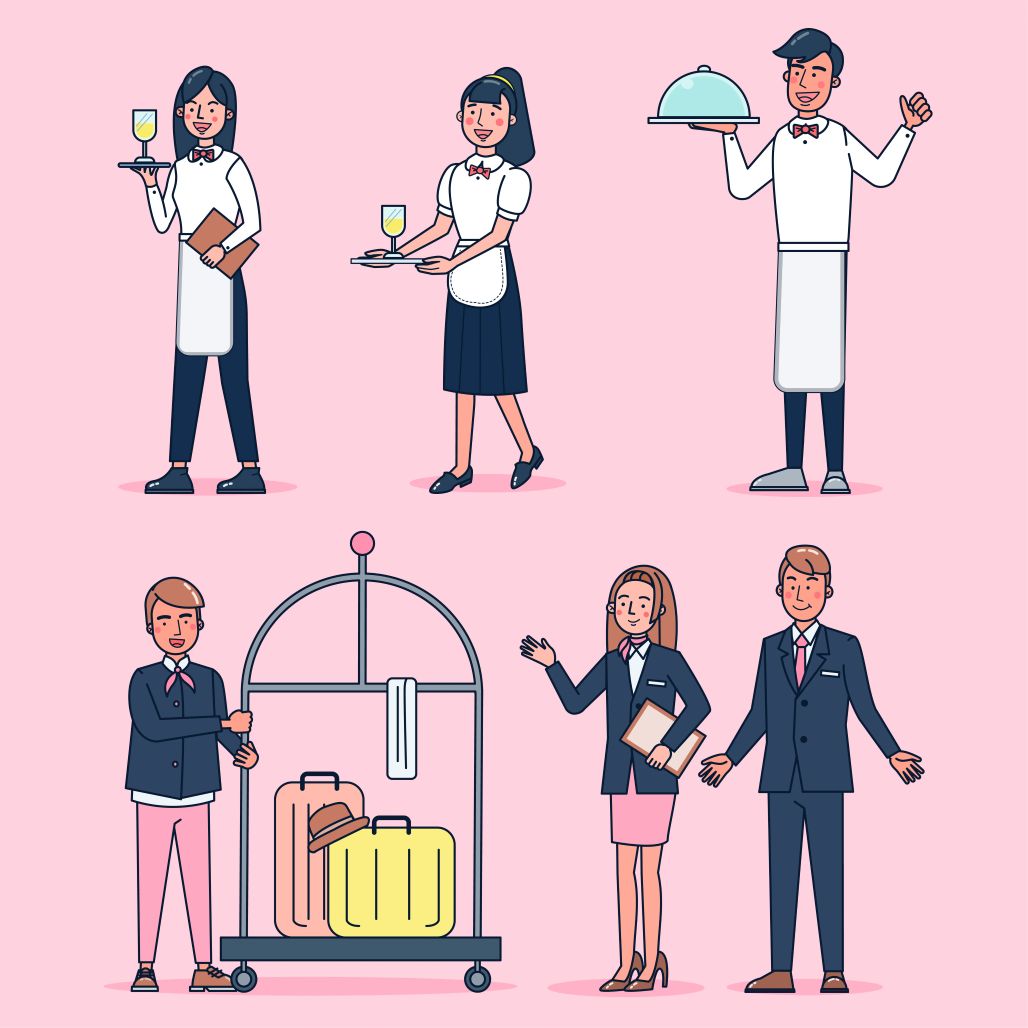
The hospitality industry is not a monolith; it's a diverse ecosystem of interconnected segments. When we talk about the hospitality industry, we refer to several key pillars:
Lodging / Accommodation: This is the most recognizable segment, including hotels, resorts, motels, hostels, boutique hotels, bed & breakfasts, and the rapidly growing vacation rental market (e.g., Airbnb, Vrbo).
Food & Beverage (F&B): This includes everything from fine-dining restaurants, casual eateries, and cafes to bars, nightclubs, catering services, and food trucks. It's about providing culinary experiences. For those wondering, what are the latest trends in hotel staff training for 2025, staying updated ensures every team member—from chefs to servers—is prepared to deliver exceptional guest experiences. For hotel managers and training teams, staying updated is crucial
Travel & Tourism: This segment encompasses the transportation that gets guests to their destination, including airlines, cruise lines, railways, car rentals, and tour operators that curate travel experiences.
Recreation & Entertainment: This includes attractions that provide guests with leisure activities, such as amusement parks, museums, galleries, concert venues, sporting events, and casinos.
The magic—and the challenge—of hospitality is that these segments are deeply intertwined. A guest's experience is a journey that touches multiple points, from the airline they fly with to the hotel they sleep in, the restaurant they dine at, and the attraction they visit.
The Critical Role of Training in Each Segment
Effective hospitality industry training is not one-size-fits-all. Each segment requires specialized knowledge and skills, yet all share a common thread: the need for impeccable service, safety, and efficiency.
Lodging Training: Focuses on front-office operations (check-in/check-out), housekeeping standards, concierge services, property management systems (PMS), and safety protocols. Training ensures a seamless, clean, and secure stay.
Food & Beverage Training: Covers crucial areas like food safety and hygiene (HACCP), menu knowledge, wine pairing, customer service, point-of-sale (POS) systems, and culinary techniques. Consistent training is vital for quality and safety.
Travel & Tourism Training: Involves itinerary planning, reservation systems (GDS), customer relationship management (CRM), cultural sensitivity, and logistics. Training empowers agents to create flawless travel experiences.
Recreation & Entertainment Training: Focuses on guest safety (especially in rides or attractions), crowd management, event operations, and knowledge of exhibits or shows. Training here is essential for both enjoyment and risk mitigation.
For any organization, navigating this complex training landscape is made infinitely easier with a dedicated LMS for hospitality. A platform like Calibr Learn provides the structure to deliver segment-specific training while maintaining a consistent brand standard of excellence across all learner touchpoints.
Thus, Investing in comprehensive hospitality industry training ensures employees across all segments deliver consistent and exceptional service. A dedicated LMS for hospitality industry enables seamless delivery of segment-specific training across locations
7 Hospitality Industry Trends 2025
The latest training trends for hotel employees 2025 include personalized, AI-driven learning paths and continuous upskilling and much more. Selecting the right lms for hospitality ensures staff are prepared to adopt emerging technologies and trends. Here are the seven most important hospitality industry trends 2025 shaping the way teams and guests interact.
1. Hyper-Personalization Powered by AI
Hospitality is moving beyond the simple gesture of using a guest’s name in an email. Hyper-personalization, powered by AI and data analytics, is now capable of anticipating guest needs and tailoring every aspect of the stay—even before the guest makes a request.
Examples: AI suggesting a room on a quiet floor based on previous preferences, sending pre-stay messages offering to reserve a spa treatment they once browsed online, or curating customized minibar selections.
For staff, this means learning to interpret AI-driven insights and execute them with empathy and precision. Training must emphasize empowered service recovery and the ability to enhance technology-driven personalization with a human touch. Platforms like Calibr Learn bring this concept full circle by using AI-powered learning to deliver the same adaptive, personalized training for employees that hospitality brands aim to provide for guests—ensuring staff are always one step ahead.
2. Regenerative Travel Takes Over Sustainability
Travel expectations are shifting from a “do no harm” mindset (sustainability) to “leave it better” (regeneration). Today’s travelers want their trips to deliver a net positive impact on the environment and the communities they visit. A recent Booking.com report shows the demand clearly: 76% of travelers now express a desire to travel more sustainably, and many are pushing further into regenerative practices.
Examples: Hotels offering voluntourism packages such as coral reef restoration or tree planting, sourcing all food within a 50-mile radius, or designing properties that actively improve biodiversity.
To succeed, every employee—whether in landscaping, the kitchen, or guest services—must act as an ambassador for the brand’s sustainability mission. Consistency is key. A centralized Calibr Content Hub allows organizations to communicate sustainability protocols and brand messaging seamlessly across roles and locations, ensuring the entire workforce is aligned as informed advocates.
3. The Blurring of Business and Leisure (“Bleisure” 2.0)
The lines between business and leisure have permanently dissolved. With remote and hybrid work now common, travelers are extending business trips into longer blended stays. Industry data shows that “bleisure” trips already make up over 40% of all business travel.
Examples: Offering bleisure packages that include weekend extensions, equipping rooms with high-functioning workspaces featuring superior Wi-Fi and ergonomic furniture, and creating co-working lounges that double as social hubs.
Staff must be equally adept at supporting professional efficiency and local leisure. Training should equip teams with both business service knowledge (such as logistics and tech support) and curated local experience recommendations. Using platforms like Calibr , they can create Personalized Learning Paths for front desk and concierge teams that ensure they can seamlessly transition between helping a business traveler with urgent printing needs and suggesting the best hiking trail for their extended weekend.
4. The Rise of the “Phygital” Experience
Hospitality is now blending the physical and digital into seamless “phygital” experiences, where technology enhances human interaction rather than replacing it.
Examples: Contactless check-in/out through apps paired with a personal greeting, QR codes on hiking trails that unlock AR-guided content, or VR-based virtual tours for guests before booking.
Operational training becomes essential in this hybrid model. Housekeeping teams must learn to use IoT sensors that report room status, while front desk staff need to balance digital efficiency with personalized hospitality. To support global teams, training must also be accessible anytime, anywhere. With Calibr’s features like Multi-language Support and Mobile Learning, staff can learn new digital procedures in their native language and on the go—ensuring consistent execution worldwide.
5. Health and Wellness Integration
Wellness has moved from being a niche add-on to a fundamental expectation. It now extends far beyond spas to holistic, integrated health offerings. This is fueling growth in the global wellness economy, now valued at over $4.5 trillion, with wellness tourism emerging as one of its fastest-growing segments.
Examples: Smart lighting systems designed to optimize sleep, menus curated by nutritionists, and mental wellness initiatives like guided meditation sessions or digital detox packages.
Delivering this requires cross-functional expertise. Culinary teams need knowledge of nutritional science, spa therapists must stay current on emerging modalities, and even waitstaff should confidently explain the health benefits of menu items. Leveraging Calibr Craft’s AI-Powered Course Authoring helps subject matter experts quickly develop microlearning modules on evolving wellness offerings, ensuring that every employee—from the kitchen to the spa—is aligned with the latest standards.
6. Experience Stacking and Micro-Experiences
Travelers today are prioritizing unique and authentic experiences over material purchases. They want to “collect” stories rather than souvenirs, often stacking smaller, memorable moments throughout their journey.
Examples: Partnering with local chefs to host private cooking classes, offering micro-adventures like sunrise kayak trips, or curating exclusive, bookable experiences such as after-hours cocktail tastings.
To deliver these moments, staff must be continuously updated and well-versed in new offerings. Concierge and guest experience teams need training in storytelling, partner updates, and safety protocols. Using Calibr’s features like gamification can transform knowledge building into an engaging activity. By turning updates into competitive games, staff can earn badges and leaderboard rankings, making learning about new local experiences both fun and rewarding.
7. Smart Buildings and Operational Automation
Behind the guest experience, hospitality organizations are increasingly relying on IoT and automation to enhance efficiency, reduce costs, and improve service delivery.
Examples: AI-powered energy management systems, real-time housekeeping alerts from smart sensors, and robotics handling routine deliveries.
Success depends on employees being able to collaborate with automation. Training must cover system operation, data interpretation from building dashboards, and shifting human focus toward creative, high-value guest interactions. To ensure adoption, platforms like Calibr offer strong Assessment and Certification tools that can verify comprehension, guaranteeing that every facilities manager or engineer is fully certified on new building management systems—minimizing risk and maximizing performance.
These seven trends show how rapidly the hospitality industry is evolving. But trends alone aren’t enough—how teams are trained to adopt them is just as critical. By now, we should have a clear idea of what the latest trends in hotel / hospitality staff training for 2025
Conclusion: The Human Touch, Powered by Empowered Teams
While these hospitality industry trends 2025 will bring are heavily driven by technology, the ultimate differentiator remains the human connection. The winning organizations will be those that leverage these trends to empower their staff to deliver exceptional, personalized, and meaningful guest experiences.
The foundation of this empowerment is a modern, agile, and comprehensive training strategy. Investing in the best LMS for employee training specific to hospitality is not an overhead cost; it's the core of your adaptation strategy. It ensures your team is not just aware of these trends but is proficient in leveraging them to create unparalleled guest loyalty. Investing in a reliable lms for hospitality industry ensures teams stay updated with the latest operational standards and guest experience practices. By aligning with hospitality industry trends 2025, organizations can ensure their teams are equipped for the future
Ready to future-proof your team and master these trends? Choosing a reliable lms for hospitality ensures employees are always trained on the latest trends and operational standards. Discover how Calibr Learn's AI-powered platform can deliver the personalized, engaging, and effective hospitality training your organization needs to thrive in 2025 and beyond.
Start your 14-day free trial
Schedule a demo
Contact us today to explore tailored hospitality training solutions


Vivetha is a digital marketing professional specializing in content marketing and SEO. She focuses on developing optimized, high-quality content that improves search visibility, supports brand objectives, and drives measurable results. With a structured and analytical approach, she ensures content aligns with business and audience needs.