
Corporate training is essential for improving workforce performance, productivity, and compliance across the UAE.
Workforce diversity, regulatory requirements, and Emiratization make structured training strategies increasingly important.
Organizations are shifting toward continuous learning, microlearning, mobile training, and personalized development.
Industry-specific training helps address practical needs in hospitality, finance, retail, and healthcare.
Automating course assignments, certification renewals, and progress tracking reduces administrative effort and compliance risks.
Measuring training outcomes through productivity, retention, employee performance, and time-to-productivity helps demonstrate ROI.
The right LMS enables scalable, structured, and data-driven corporate training aligned with business goals.
Corporate Training in UAE: What Actually Works in 2026
Corporate training in UAE has become a business-critical function — not just an HR activity. Organizations must ensure compliance, improve workforce performance, and deliver measurable outcomes at scale.
The workforce is more diverse and dynamic than ever. Regulatory expectations are rising, and Emiratization is now a strategic priority. At the same time, employees expect flexible, relevant, and accessible learning experiences.
Yet many organizations still rely on outdated systems and fragmented processes.
If you're an L&D leader or HR head across Dubai, Abu Dhabi, or the wider UAE, this guide on corporate training in UAE explains what actually works — and what doesn’t. For a broader understanding of how corporate training fits into overall learning strategy, explore our complete guide to learning and development in UAE.

Why the Old Approach to Corporate Training Isn’t Working
The UAE’s corporate training market is valued at USD 1.5 billion and continues to grow steadily. But as investment increases, so does pressure to deliver measurable results.
Completion rates alone are no longer enough. Leadership expects training to impact productivity, retention, and business performance.
At the same time, organizations manage diverse, fast-changing workforces — with continuous onboarding, upskilling, and compliance needs. Without scalable systems, training quickly becomes difficult to manage.
The organizations getting this right treat training as infrastructure — not a one-time activity.
What Corporate Training Looks Like in the UAE Today
Corporate training in the UAE is shaped by a unique combination of regulatory requirements, workforce diversity, and rapid business growth. Organizations must go beyond traditional training approaches and build systems that are structured, scalable, and aligned with real business needs.
Compliance and Corporate Governance Training
Compliance is one of the most critical components of corporate training in the UAE. Organizations must ensure employees complete mandatory training on areas such as workplace ethics, data protection, health and safety, and labor regulations.
Effective compliance training requires:
Automated tracking of completion and certifications
Timely renewal and re-assignment of courses
Clear audit trails for regulatory checks
Role-based training delivery
Without structured systems, organizations risk failed audits, penalties, and reputational damage.
Emiratization and Leadership Development
Emiratization is no longer just about hiring — it is about developing UAE national talent through structured learning pathways.
Organizations must focus on:
Leadership development programs for UAE nationals
Skill progression tracking and career path visibility
Mentorship and coaching support
Measurable outcomes such as promotions and retention
This ensures organizations move from meeting quotas to building long-term leadership pipelines.
Beyond compliance and structured development, the way learning is delivered is also evolving rapidly.
How Learning Actually Happens Today
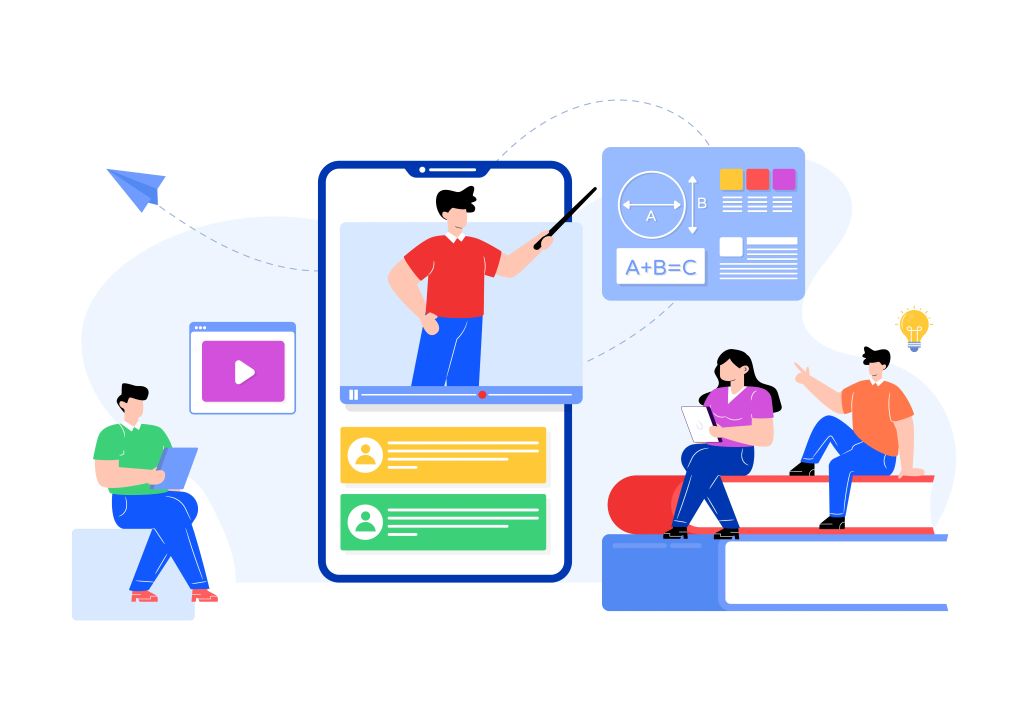
Corporate training is no longer limited to formal courses. Learning today is continuous, flexible, and embedded into daily work.
Modern approaches include:
Collaborative learning and teamwork training for employees, where teams learn together and apply knowledge in real work scenarios
Peer-driven learning through internal knowledge sharing
Cohort-based programs that build alignment across groups
Social learning through discussions and shared insights
In addition, training videos for employees play a key role in modern learning:
Short, focused video content improves retention
Mobile-first access supports learning anytime, anywhere
Microlearning formats make training easy to consume
The shift is clear — learning is no longer an event, but an ongoing process integrated into how work gets done.
Measuring Training Impact
As training becomes more strategic, organizations are expected to measure its impact — not just deliver it.
This includes tracking:
Employee performance improvements
Retention and engagement levels
Compliance completion and audit readiness
Time-to-productivity for new hires
These metrics ultimately contribute to the return on investment (ROI) of corporate training, helping organizations understand the value generated from their learning initiatives.
Without clear measurement, training remains a cost. With the right metrics, it becomes a driver of business performance.
Organizations that succeed in corporate training don’t just deliver programs — they build systems that are scalable, measurable, and aligned with real business needs..
Platforms like Calibr are designed to support this shift — helping teams create, deliver, and track training efficiently across diverse and fast-growing workforces.
By combining automation, flexibility, and real-time insights, Calibr enables organizations to move from fragmented training efforts to structured, high-impact learning systems.
Common Mistakes UAE Companies Make in Corporate Training
UAE companies often invest in corporate training but struggle to achieve meaningful results due to gaps in planning, delivery, and measurement. Common mistakes include treating the LMS as a content library, overlooking mobile accessibility, and relying on manual compliance tracking.
Common Mistake | Practical Solution |
|---|---|
Treating the LMS as a Content Library | Create structured learning paths by job role, add knowledge checks, and track learner progress beyond course uploads. |
Ignoring the Mobile-First Workforce | Provide mobile-friendly training that employees can access during scheduled learning time, including offline access where supported. |
Lack of Compliance Automation | Automate mandatory course assignments, send certification renewal reminders, and maintain audit-ready completion records. |
No Structured Emiratization Tracking | Set individual development goals for UAE national employees and track training progress, mentorship, and readiness for advancement. |
One-Size-Fits-All Training | Tailor courses to employees’ roles, skill levels, languages, and actual workplace responsibilities. |
Focusing on Completion, Not Outcomes | Measure improvements in job performance, assessment scores, productivity, error rates, and employee retention—not just completion rates. |
Corporate Training Across Key Industries in the UAE
Corporate training requirements vary across industries in the UAE, depending on workforce size, regulatory obligations, and day-to-day operations.
Hospitality businesses need consistent service training across shifts, while financial institutions prioritize compliance and audit readiness. Retailers focus on faster onboarding, and healthcare providers require continuous skills development.
Understanding these industry-specific challenges helps organizations choose the right training methods and platforms.
Industry | Training Challenges | Practical Training Approach |
|---|---|---|
Hospitality – Dubai | 24/7 shifts, multilingual staff, and consistent service standards across properties. | Provide short, mobile-friendly training in Arabic and English, with role-specific modules for front desk, housekeeping, and food and beverage teams. |
Financial Services – Abu Dhabi & DIFC | Strict regulatory requirements, certification deadlines, and audit documentation. | Assign mandatory training by role, automate renewal reminders, and maintain completion records and audit-ready reports. |
Retail | High employee turnover, frequent product updates, and limited time for training during shifts. | Create reusable onboarding modules, deliver quick product training, and use quizzes to check employee knowledge. |
Healthcare | Strict compliance requirements, continuous professional development, and time-constrained multilingual teams. | Provide accessible clinical and safety training, schedule regular refreshers, and track assessments, training completion, and certification deadlines. |
These industry-specific requirements highlight the need for a training platform that supports flexible delivery, consistent learning, and reliable progress tracking.
An LMS such as Calibr can help organizations structure and manage training across different teams, roles, and locations.
Frequently Asked Questions (FAQ's)
Why is corporate training more complex in the UAE compared to other markets?
Because UAE organizations manage multinational, multilingual workforces, strict regulatory requirements, and Emiratization goals — all at the same time. Training must support compliance, leadership development, and mobile accessibility across multiple locations.
What should a modern LMS in the UAE be able to do?
It should handle compliance and development in one system, support Arabic and English (including right-to-left formatting), offer mobile and offline access, integrate with HRIS and SSO, and provide analytics tied to business outcomes — not just completion data.
How important is compliance tracking for UAE organizations?
Extremely important. Industries such as finance, healthcare, and hospitality require mandatory certifications, automated renewals, and instant audit trails. Gaps can lead to fines, failed audits, and reputational risk.
How does corporate training support Emiratization?
Beyond hiring quotas, organizations must show structured development pathways for UAE nationals, leadership readiness tracking, and measurable career progression. The right platform enables dedicated reporting and milestone tracking.
What differentiates leading corporate training platforms today?
The best platforms combine AI-powered content creation, personalized learning paths, mobile-first delivery, collaborative features, and integrated compliance management — all within one unified, cloud-based system.
Final Thoughts: Building Effective Corporate Training in UAE
In the UAE, organizations that succeed treat training as infrastructure — not administration.
They invest in systems that support workforce diversity, compliance, and continuous development at scale. The gap between high-performing organizations and the rest continues to grow.
The question is no longer whether to invest in corporate training — but how effectively it is designed, delivered, and measured.
Platforms like Calibr are built to support this shift — helping organizations simplify training delivery, automate compliance, and gain clear visibility into learning outcomes.
It’s not just an LMS. It’s an AI-powered unified learning platform designed for modern, fast-moving organizations across the UAE.
Ready to Improve Corporate Training in Your Organization?
Start Your 14-Day Free Trial — explore the platform in real time.
Contact Our Team — see how it fits your training needs
Book a Personalized Demo — See how it fits your UAE training strategy.
The Real Competitive Advantage
In the UAE, organizations that succeed treat training as infrastructure — not administration.
They invest in systems that support workforce diversity, compliance, and continuous development at scale.
The gap between these organizations and others continues to grow.
The question is no longer whether to invest in training — but how effectively it is implemented.


Vivetha is a digital marketing professional specializing in content marketing and SEO. She focuses on developing optimized, high-quality content that improves search visibility, supports brand objectives, and drives measurable results. With a structured and analytical approach, she ensures content aligns with business and audience needs.