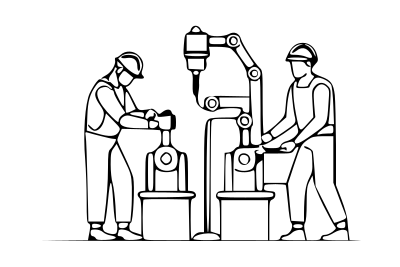
Manufacturing safety improves when training shifts from one-time sessions to continuous digital learning.
An LMS standardizes compliance, GMP, onboarding, and machine-specific training across plants and shifts.
Personalized, mobile, and offline learning increases engagement and reinforces safety on the shop floor.
Real-time analytics help managers spot gaps early, reduce risk, and stay audit-ready.
Calibr positions safety training as a cultural driver, not just a regulatory requirement.
Manufacturing is the backbone of global economies—but it’s also one of the riskiest sectors when it comes to workplace hazards. From heavy machinery to chemical handling, even minor lapses in safety can lead to severe accidents, production downtime, and regulatory penalties. This is where a Learning Management System (LMS) for manufacturing becomes a game-changer.
By shifting safety training to a digital, structured, and adaptive platform, manufacturers can ensure compliance, boost employee engagement, and, most importantly, build a strong culture of workplace safety. Modern platforms like Calibr Learn, designed with AI-powered personalization, mobile learning, and real-time analytics, are empowering manufacturing companies to make safety training not just a compliance requirement—but an ongoing, deeply embedded practice.
Explore how Calibr is helping manufacturers build safer workplaces with AI-powered personalized training. Sign up now or contact us for more details
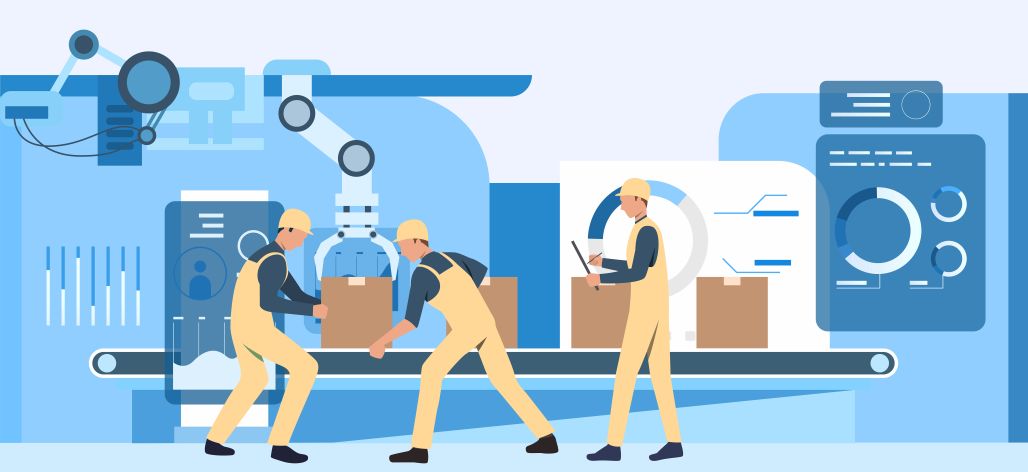
Why Safety Training is Critical in Manufacturing
Workplace safety isn’t just a regulatory necessity—it’s a business imperative. According to the International Labour Organization (ILO), around 2.93 million workers die annually due to occupational accidents and work-related illnesses (ILO). The manufacturing industry contributes significantly to these numbers due to its high-risk processes.
Some reasons safety training is non-negotiable:
Human cost: Protecting lives and preventing injuries.
Financial cost: Workplace injuries cost U.S. businesses $167 billion annually (NSC).
Compliance cost: Regulatory bodies like OSHA (Occupational Safety and Health Administration) enforce heavy penalties for safety violations.
Reputation cost: Unsafe practices damage employer branding and workforce morale.
An effective learning management system for manufacturing like Calibr ensures that safety protocols aren’t just ticked off during onboarding but are continuously reinforced with updates, reminders, and retraining.
Moving Beyond Traditional Safety Training
Traditional manufacturing safety training often relied on classroom sessions, paper manuals, and occasional workshops. While these methods serve as a baseline, they fall short in scalability, engagement, and measurement.
Key challenges of traditional approaches include:
Inconsistent delivery across departments or sites.
Low retention due to lack of interactivity.
Limited tracking and reporting.
Delays in updating training content to reflect new regulations.
A good manufacturing practices (GMP) training program, delivered through a robust LMS, overcomes these barriers by digitizing, personalizing, and standardizing training. Employees can access modules anytime, complete assessments, and receive certifications—ensuring safety knowledge isn’t just shared but absorbed and applied.
How an LMS for Manufacturing Builds Safety Culture
An LMS for manufacturing does more than deliver digital courses—it creates a consistent, structured, and measurable way to embed safety values across the workforce. In high-risk industries, where a single mistake can cost lives, organizations need more than occasional training sessions. They need a continuous, culture-driven approach.
A learning management system for manufacturing provides that foundation by ensuring every worker, from operators on the shop floor to supervisors and quality controllers, receives the right training at the right time. For example, a welder may need modules on PPE compliance and fire safety, while a packaging employee may need training on ergonomics and material handling. With platforms like Calibr Learn, these role-specific needs are met through personalized learning paths and AI-powered learning recommendations, ensuring relevance and engagement.
Additionally, a good manufacturing practices training program can be integrated into the LMS so that employees aren’t just compliant but also equipped with the practical knowledge to reduce risks in daily operations. This standardization is critical in the manufacturing industry, where multiple plants, shifts, and contractors often operate under one umbrella.
Calibr’s features such as microlearning and gamification also make training engaging, helping employees retain critical information like emergency protocols, lockout/tagout procedures, or equipment maintenance steps. When combined with real-time analytics, supervisors can monitor completion rates, identify skill gaps, and intervene before safety issues arise.
In this way, the best LMS for manufacturing isn’t just a digital tool—it becomes a cultural driver, aligning training with real-world safety outcomes and reinforcing the message that safety is everyone’s responsibility.
Manufacturing Safety Training Use Cases
A strong LMS like Calibr doesn’t just digitize training—it transforms how safety becomes part of everyday operations.
Employee Onboarding: A safe start from day one through structured orientation.
Compliance Training: Regular updates on OSHA, ISO, and GMP standards delivered seamlessly with Calibr’s compliance training solutions.
Emergency Preparedness: Interactive simulations on fire safety, evacuation, or first aid.
Machine-Specific Training: Tailored modules for high-risk equipment operations.
Continuous Refreshers: Periodic reminders via mobile push notifications for sustained awareness.
By integrating manufacturing safety training into everyday workflows, organizations build habits that reduce accidents and improve operational excellence.
Role of Good Manufacturing Practices (GMP) Training
GMP isn’t just about product quality—it’s deeply tied to employee and workplace safety. For example, improper handling of materials can not only compromise product integrity but also put workers at risk.
Through an LMS, GMP training becomes:
Standardized: Consistent training across plants and geographies.
Up-to-date: Instant updates when new regulatory requirements arise.
Certifiable: Built-in assessments and certifications track compliance completion.
This ensures manufacturers remain audit-ready while fostering a culture of accountability.
Mobile and Offline Safety Training
In fast-paced environments like manufacturing plants, employees can’t always sit at desktops. Calibr's Mobile learning with offline access allows workers to access bite-sized lessons directly on the shop floor, even in areas with limited connectivity. Platforms like Calibr make safety training convenient, ensuring accessibility isn’t a barrier to adoption.
Building a Proactive Safety Culture
A proactive safety culture goes beyond meeting compliance checklists—it anticipates risks and prevents accidents before they occur. With an LMS for manufacturing industry, companies can transition from reactive responses to proactive, data-driven safety strategies.
For instance, Calibr’s collaborative learning capabilities allow teams to share safety insights, discuss real-life incidents, and collectively build awareness. Instead of waiting for an OSHA inspection or accident report, managers can use real-time analytics to predict high-risk areas—for example, identifying departments with low training completion or frequent assessment failures. This predictive approach makes the learning management system for manufacturing not only a training tool but also a risk management solution.
Mobile learning and offline access in Calibr also ensure that workers can refresh safety knowledge directly on the shop floor, even during downtime. This proactive reinforcement—combined with assessment and certification features—helps employees stay compliant with good manufacturing practices training and industry standards without waiting for annual refresher courses.
Most importantly, building a proactive culture means making safety part of everyday conversations. Gamified modules, peer-to-peer discussions, and Calibr’s personalized learning paths keep employees engaged, while compliance training ensures organizations remain audit-ready. Over time, this consistent reinforcement fosters accountability, reduces incidents, and positions the best LMS for manufacturing as a cornerstone of operational excellence.
By embedding safety into learning workflows, Calibr helps manufacturers create a workplace where safety isn’t just taught—it’s lived, shared, and continuously improved.
External Evidence of LMS Impact
The effectiveness of LMS-driven training is backed by global data:
Companies with strong learning cultures have 37% higher productivity
Digital learning improves retention rates by 25–60% compared to traditional methods
The global eLearning market is projected to reach around $460 billion by 2026, with manufacturing being one of the fastest-growing sectors (Statista).
These figures reinforce why manufacturers worldwide are investing in LMS for safety training.
Conclusion: The Future of Safety in Manufacturing
Workplace safety isn’t a one-time training session—it’s a culture that must be cultivated daily. By leveraging an LMS for manufacturing, companies can ensure compliance, empower employees, and reduce risks while improving productivity and morale.
Platforms like Calibr, with features such as AI-powered course authoring, mobile microlearning, real-time analytics, and centralized content access, make safety training smarter, scalable, and measurable. From GMP training to compliance modules, modern LMS platforms are transforming how safety is delivered in the manufacturing industry.
Discover how Calibr can help your organization build a safer, more resilient workforce.


Vivetha is a digital marketing professional specializing in content marketing and SEO. She focuses on developing optimized, high-quality content that improves search visibility, supports brand objectives, and drives measurable results. With a structured and analytical approach, she ensures content aligns with business and audience needs.