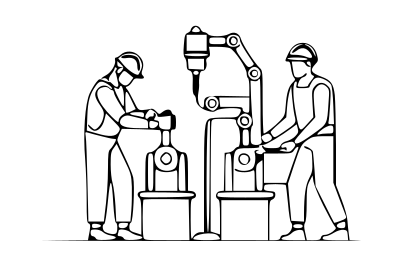
LMS for manufacturing helps scale GMP, compliance, and safety training consistently.
Traditional manuals and classroom sessions lack personalization, tracking, and global standardization.
Digital modules, microlearning, and simulations improve engagement and real-world knowledge application.
Automated tracking, certifications, and multilingual delivery simplify audits and regulatory updates.
Calibr combines AI authoring, analytics, mobile access, and personalization for workforce readiness.
In the fast-paced world of manufacturing, consistency, safety, and compliance are non-negotiable. Employees must follow Good Manufacturing Practices (GMP) to ensure product quality and safeguard consumer trust. Yet, traditional training methods often fall short when it comes to scale, personalization, and effectiveness.
This is where an LMS for manufacturing comes in—providing a powerful solution to deliver, track, and optimize GMP and compliance training. By using modern platforms like Calibr, manufacturing organizations can align workforce training with global standards while keeping learning engaging, efficient, and measurable.
Looking to streamline training across your factory floors? Explore Calibr – AI-powered personalized learning platform designed for modern manufacturing needs. Sign up now for a 14 day free trail or contact us for more details
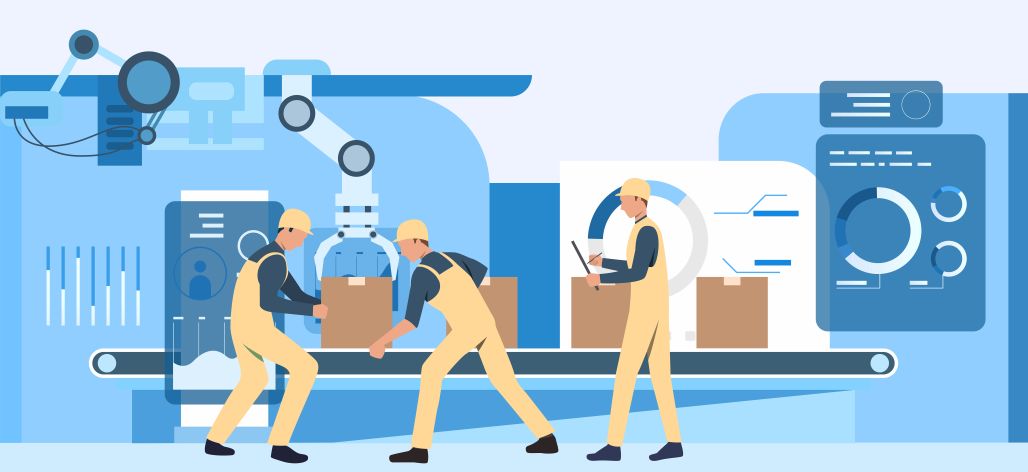
Why GMP Training Matters in Manufacturing
Good Manufacturing Practices serve as the backbone of safe, compliant, and high-quality production. They cover everything from hygiene protocols and standard operating procedures (SOPs) to equipment maintenance and quality checks.
For manufacturers, adhering to GMP ensures:
Regulatory compliance with global standards such as FDA Current Good Manufacturing Practices (CGMP) and WHO GMP guidelines.
Risk reduction by minimizing errors and hazards on shop floors.
Customer confidence, as products meet safety and quality benchmarks.
Operational efficiency through standardized workflows.
However, simply providing manuals or one-time sessions is not enough. Continuous, accessible, and interactive learning is required—something best delivered through a learning management system for manufacturing.
How LMS Transforms GMP Training
Good Manufacturing Practices (GMP) require not only compliance but also consistent reinforcement. In traditional setups, training often relies on classroom sessions, printed manuals, or on-the-job shadowing. These methods, while useful, rarely scale across large manufacturing plants or multinational operations. This is where an LMS for manufacturing industry makes a major impact.
With a learning management system for manufacturing, companies can digitize GMP programs and deliver them in a structured, trackable, and interactive way. Instead of static training, workers gain access to dynamic modules that include microlearning, scenario-based learning, and simulations that mirror real-life shop floor challenges. For example, a module on hygiene protocols might use interactive quizzes to test knowledge retention, while machine handling SOPs could be demonstrated through video-based lessons.
An LMS also ensures standardization. Whether employees are in a facility in India, Europe, or North America, they receive the same GMP training content, reducing inconsistencies that can lead to compliance failures. Add to this the ability to update content instantly, and manufacturers can respond quickly when regulations evolve—keeping every employee aligned with the latest requirements.
By incorporating features like AI-powered Course Authoring, companies can transform complex GMP rules into engaging, easy-to-follow learning journeys. Ultimately, this ensures that GMP isn’t just learned—it’s applied consistently across the workforce.
Manufacturing Compliance Training with LMS
Compliance in manufacturing is about more than ticking regulatory boxes. It’s about protecting consumer safety, maintaining product quality, and safeguarding the company’s reputation. A manufacturing compliance training program delivered through an LMS provides the structure and accountability needed to achieve this.
Unlike traditional compliance efforts, which may involve sporadic training sessions or paper-based checklists, a manufacturing training LMS offers continuous monitoring and certification. Every employee’s progress, test scores, and completion records are automatically tracked and stored. During audits by regulatory bodies like the FDA or WHO, these digital records can be presented instantly demonstrating compliance without the hassle of manual documentation.
Another advantage is adaptability. Regulations shift constantly, especially in industries like pharmaceuticals and food processing. An LMS for manufacturing allows compliance teams to push out new modules or refresher courses immediately. Workers receive notifications, complete the updated training, and their results are logged automatically closing compliance gaps quickly.
For global manufacturers, compliance also means overcoming language and cultural barriers. With Calibr’s Multi-language Support, content can be localized to ensure workers fully understand requirements in their own language, reducing misinterpretation risks.
By using Calibr's LMS for compliance training, manufacturers not only protect themselves from regulatory penalties but also embed a culture of responsibility and accountability across their workforce.
The Role of LMS in Manufacturing Safety Training
Safety has always been a cornerstone of manufacturing, and for good reason. According to OSHA regulations, consistent safety training significantly reduces workplace accidents, yet many companies still struggle with making this training engaging and memorable. This is where an LMS for manufacturing safety training becomes transformative.
A digital platform like Calibr enables companies to go beyond generic safety lectures. Employees can interact with multimedia-rich modules that cover critical topics like equipment handling, chemical hazard communication, or lockout/tagout procedures. Interactive case studies and role-based scenarios help workers understand not just the “what” but the “why” behind each safety standard.
In industries such as chemicals, pharmaceuticals, or heavy machinery, simulations built into a manufacturing training LMS can recreate hazardous situations virtually—teaching employees how to respond without real-world risks. These scenarios help develop muscle memory and decision-making skills, which are vital in emergencies.
Safety training also requires continuous reinforcement. Through Calibr's Microlearning and Gamification, employees can complete short, engaging lessons that refresh safety knowledge on a regular basis. For instance, weekly micro-quizzes on protective gear usage or machine shutdown protocols help reinforce key messages while keeping engagement high.
By making safety training ongoing and accessible anytime—even offline through Calibr Mobile Learning—an LMS ensures that employees remain prepared and confident. Over time, this fosters a culture of safety-first thinking, reducing incidents, downtime, and associated costs.
The Best LMS for Manufacturing: Key Features to Look For
When choosing the best LMS for manufacturing, organizations should focus on features that not only streamline training but also directly support Good Manufacturing Practices (GMP), compliance, and workforce efficiency. The right learning management system for manufacturing like Calibr can become a long-term partner in building operational excellence.
Here are the core capabilities to look for:
AI-powered course authoring for quick content creation – Enables L&D teams to convert regulatory updates or process changes into ready-to-use modules in hours instead of weeks.
Collaborative learning tools for team engagement – Encourages peer-to-peer knowledge sharing and collective problem-solving across shifts and locations.
SCORM compliance for compatibility with existing content – Ensures legacy GMP modules or safety training resources are seamlessly integrated.
Real-time analytics to track training effectiveness – Provides managers with insights into progress, completion rates, and knowledge gaps, ensuring compliance readiness.
Platforms like Calibr combine all these capabilities in one LMS, helping manufacturers streamline training, boost compliance, and improve workforce efficiency.
Practical Use Cases of LMS in Manufacturing
A manufacturing training LMS is versatile and supports multiple business-critical learning needs. Beyond basic compliance, it helps employees continuously improve their skills while aligning with organizational goals. Here are some proven applications:
Employee Onboarding – New hires are introduced to GMP standards, company culture, and safety protocols from day one, reducing ramp-up time. Platforms like Calibr make onboarding seamless with structured, trackable modules.
Compliance Training – Regular updates on FDA, OSHA, and ISO requirements delivered through structured, trackable modules. Using Calibr’s LMS for Compliance Training, managers can easily monitor completion and certification, ensuring workforce compliance.
Operational Training – Covers machine handling, process optimization, lean practices, and continuous improvement initiatives. Tools such as Calibr help deliver these modules via mobile learning, microlearning, and real-time analytics.
Customer Training – Ensures clients and distributors are educated on product handling, storage, and usage, reducing downstream risks.
This becomes even more critical as the industry faces a significant skills gap. Leveraging an LMS for manufacturing industry helps close this gap by rapidly upskilling employees, preparing them for evolving roles, and boosting retention.
Why Calibr Stands Out in Manufacturing Training
While many platforms position themselves as suitable for manufacturers, not all deliver on the industry’s unique needs. Calibr’s LMS for manufacturing stands out because it combines compliance rigor with flexible, modern learning experiences.
Its strengths include:
AI-powered personalization – ensuring every worker—from machine operators to supervisors—receives training tailored to their role.
Compliance tracking – making audits stress-free with automated certification and reporting.
Mobile and offline access – empowering workers to learn on the shop floor or in remote sites without disruption.
Engaging learning formats like Gamification, Microlearning, and social collaboration, which make GMP and safety training interactive and memorable.
This combination makes Calibr more than just a manufacturing training LMS—it’s a strategic enabler for building a culture of compliance, safety, and continuous improvement.
Ready to build a future-ready workforce? Discover how Calibr supports manufacturing training and operational excellence.
Conclusion: Building a Culture of Quality, Safety, and Compliance
Mastering GMP is not a one-time activity—it’s a culture. By leveraging an LMS for manufacturing, companies can create a sustainable system where employees continuously learn, apply, and improve GMP practices.
Whether it’s manufacturing compliance training, safety training, or personalized skill-building, an LMS ensures every worker is aligned with the highest standards. Platforms like Calibr make this possible by blending technology with compliance-driven training.
The future of workforce learning in manufacturing is digital. As McKinsey’s research on the future of manufacturing highlights, digital learning adoption will be critical for sustaining productivity. And with over 125 million people employed in manufacturing globally (Statista, 2024), scalable training powered by LMS is no longer optional—it’s essential.
Take the next step in elevating your manufacturing workforce. Start your journey with Calibr today by signing up for a 14 day free trail or by contacting us and scheduling a demo to get started


Vivetha is a digital marketing professional specializing in content marketing and SEO. She focuses on developing optimized, high-quality content that improves search visibility, supports brand objectives, and drives measurable results. With a structured and analytical approach, she ensures content aligns with business and audience needs.