
Role-based healthcare LMS platforms personalize training for nurses, doctors, and allied staff.
Customized learning paths reduce knowledge gaps, support compliance, and improve competency.
Adaptive learning, assessments, and mobile access help busy clinicians train efficiently.
Organizations should integrate LMS tools with HR, credentialing, and clinical systems.
Platforms like Calibr add AI-driven personalization, analytics, and automated CME tracking.
The healthcare industry faces an unprecedented challenge in maintaining competency standards while managing diverse professional roles, each with unique learning requirements. A specialized healthcare LMS becomes essential when considering that medical errors cost the U.S. healthcare system approximately $20 billion annually, with many incidents attributed to inadequate training or knowledge gaps. Modern healthcare organizations need sophisticated learning management systems that can deliver targeted, role-specific training paths for nurses, doctors, and other medical professionals.
Role-based training paths in healthcare represent a paradigm shift from one-size-fits-all educational approaches to personalized learning journeys that address specific competencies, regulatory requirements, and career development needs.Using a role based lms, healthcare organizations can tailor learning experiences to each staff member, ensuring maximum competency and engagement. Platforms like Calibr's AI-powered personalized learning platform are revolutionizing how healthcare organizations approach professional development, offering adaptive learning experiences that evolve with each practitioner's growth.
Explore more about us by visiting our website or contact us for more details
Understanding Role-Based Training in Healthcare
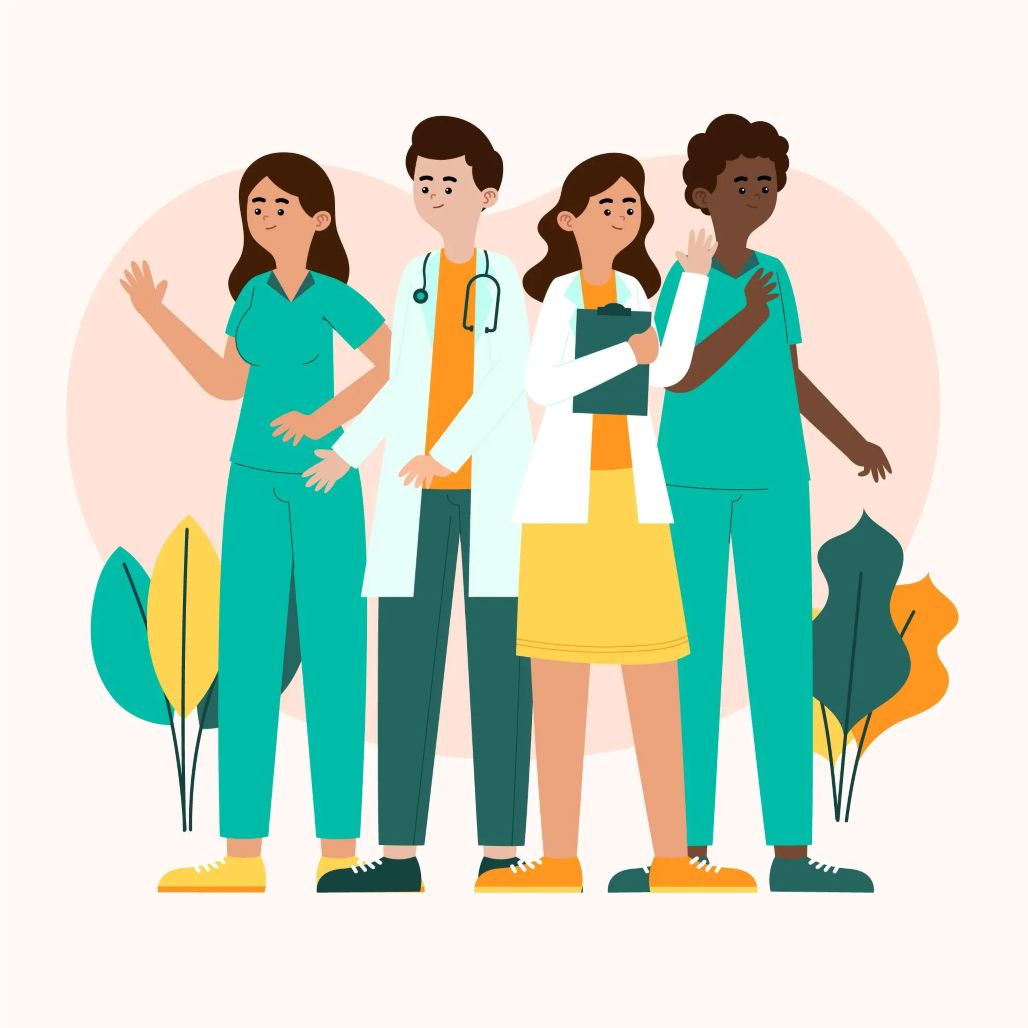
Healthcare professionals operate within clearly defined scopes of practice, each requiring distinct knowledge bases, technical skills, and competencies. Role-based training acknowledges these differences by creating customized learning pathways that align with professional responsibilities, regulatory requirements, and career advancement opportunities. A role based lms ensures each professional receives training aligned with their responsibilities, reducing knowledge gaps and errors.
For nurses, training paths typically encompass patient care protocols, medication management, documentation standards, and specialty-specific procedures. The American Nurses Association emphasizes that continuing education requirements vary significantly across specialties, with some areas requiring up to 40 hours annually. A robust healthcare LMS must accommodate these varying requirements while tracking completion and compliance.
Physicians require training paths that address clinical guidelines, emerging treatments, research developments, and specialty board certifications. The Accreditation Council for Graduate Medical Education reports that systematic approaches to competency-based medical education, making structured learning paths essential for meeting accreditation standards.
Modern hospitals increasingly rely on an lms for healthcare training to deliver consistent, role-specific content across nurses, doctors, and allied professionals
For more information on the core skills that should be included in these training paths, read our full blog on Top Healthcare Skills Every Professional Must Master
Essential Components of Healthcare Training Paths
Competency Mapping and Assessment
Effective role-based training begins with comprehensive competency mapping that identifies the specific skills, knowledge, and behaviors required for each healthcare role. Healthcare organizations leverage nurse development pathways customization systems to personalize training content according to experience level and specialization.Healthcare elearning solutions must integrate assessment capabilities that measure both theoretical knowledge and practical application.
Modern healthcare organizations are leveraging advanced assessment tools that provide real-time feedback and identify knowledge gaps. These systems enable continuous improvement and ensure that training remains relevant to evolving medical practices and regulatory changes.
Adaptive Learning Technologies
Healthcare online training benefits significantly from adaptive learning technologies that adjust content difficulty and pacing based on individual learner progress. Healthcare administrators often ask: which platforms offer adaptive learning pathways for medical training? Leading solutions like Calibr’s AI-powered LMS provide dynamic content tailored to each learner’s needs. To answer this question, hospitals can evaluate LMS solutions that track competencies, recommend personalized content, and integrate seamlessly with clinical systems. Research shows that adaptive learning can significantly improve outcomes in healthcare education, making it a critical component of modern LMS for healthcare training.
Designing Nurse-Specific Training Paths
Nursing education pathways must address the diverse specializations within the profession, from critical care and emergency medicine to pediatrics and geriatrics. Each specialty requires specific protocols, equipment familiarity, and patient interaction skills.
Core Nursing Competencies
Fundamental nursing training paths should encompass patient safety protocols, infection control measures, medication administration procedures, and documentation standards. The Institute for Healthcare Improvement reports that healthcare-associated infections affect 1 in 31 hospital patients on any given day, underscoring the critical importance of infection control training.
An lms nurse module allows quick access to microlearning modules during shifts, ensuring ongoing skill development without disrupting patient care. This flexibility is essential for maintaining engagement and completion rates among busy healthcare professionals.
Specialty-Specific Pathways
Advanced nursing roles require specialized training paths that address unique competencies and regulatory requirements. Advanced nurse development pathways customization systems provide branching scenarios for complex decision-making in ICU, pediatrics, and emergency care. Critical care nurses need intensive training on advanced monitoring equipment, emergency procedures, and complex medication protocols, while nurse educators require pedagogical skills and curriculum development knowledge. They benefit from an lms nurse system that delivers scenario-based simulations tailored to their specialty.
LMS for healthcare organizations must provide branching scenarios and simulation-based learning opportunities that allow nurses to practice decision-making in safe, controlled environments before applying skills in clinical settings.
Doctor-Focused Training Pathways
“Physician training paths must accommodate the complex hierarchy of medical education, from residents and fellows to attending physicians and department heads. Advanced lms for healthcare training platforms ensure that physicians receive personalized updates on emerging treatments and clinical guidelines. Using a dedicated lms for doctors, hospitals can efficiently track CME credits, specialty certifications, and monitor progress in real-time.
Residency and Fellowship Programs
Medical residencies and fellowships represent structured learning environments where role-based training paths are essential for meeting accreditation requirements and ensuring competency development. The Association of American Medical Colleges indicates that residency programs must demonstrate progressive responsibility and increasing independence, requiring sophisticated tracking and assessment capabilities.
Healthcare compliance training becomes particularly critical at this level, as residents must understand legal, ethical, and regulatory frameworks while developing clinical skills. Integrated compliance modules ensure that developing physicians understand their responsibilities while progressing through training milestones.
Continuing Medical Education (CME)
Practicing physicians require ongoing education to maintain licensure and stay current with medical advances. A modern lms for doctors simplifies CME tracking while integrating adaptive learning recommendations for individual career goals. The American Medical Association reports that physicians must complete 150-200 CME credits every three years, depending on their state and specialty certifications.
Advanced healthcare LMS platforms provide automated credit tracking, integration with professional organizations, and personalized recommendations based on practice areas and career goals. Calibr's comprehensive analytics capabilities enable physicians to monitor their progress toward certification requirements while identifying areas for focused learning.
Compliance and Regulatory Considerations
Healthcare training paths must address numerous regulatory requirements from organizations such as the Joint Commission, OSHA, and CMS. These requirements vary by role, with some applying universally while others target specific positions or departments.
HIPAA and Privacy Training
All healthcare personnel require regular HIPAA training, but the depth and focus vary by role. Nurses need detailed understanding of patient privacy during bedside care, while physicians must understand privacy implications of telemedicine and research activities.A 2024 report shows global average breach cost is USD 4.88 million, with U.S. healthcare being one of the costliest at around USD 9.77 million., highlighting the critical importance of comprehensive privacy training.
Safety and Emergency Preparedness
Role-specific safety training ensures that all healthcare professionals understand their responsibilities during emergencies, equipment failures, or security incidents. Training paths must address both individual safety protocols and team coordination procedures that vary by role and department.
Mobile Learning and Accessibility
Healthcare professionals work in dynamic environments where traditional classroom training is often impractical. Mobile learning capabilities enable just-in-time training access, allowing professionals to review procedures, access references, and complete required training during downtime.
Calibr's mobile learning solutions provide seamless access across devices, ensuring that healthcare professionals can maintain their learning momentum regardless of their location or schedule constraints.
Implementation Strategies for Healthcare Organizations
Successful implementation of role-based training paths requires careful planning, stakeholder engagement, and ongoing optimization based on user feedback and performance metrics.
Change Management and User Adoption
Healthcare organizations must address potential resistance to new learning technologies by demonstrating clear value propositions and ensuring that training paths align with professional development goals. Leadership support and champion programs can significantly improve adoption rates and engagement levels.
Integration with Existing Systems
Modern healthcare LMS platforms must integrate with existing HR systems, credentialing databases, and clinical information systems to provide seamless user experiences and automated reporting capabilities. Calibr's single sign-on capabilities eliminate the friction of multiple login requirements while maintaining security standards.
Measuring Success and ROI
Healthcare organizations need comprehensive metrics to evaluate the effectiveness of role-based training paths and demonstrate return on investment. Key performance indicators should include completion rates, competency improvements, regulatory compliance rates, and correlation with patient outcomes.
Advanced analytics capabilities enable healthcare organizations to identify trends, predict training needs, and optimize content delivery. Real-time dashboards provide visibility into individual and organizational progress while highlighting areas requiring attention or intervention.
Future Trends and Innovations
The future of healthcare LMS technology includes virtual reality simulations, artificial intelligence-powered content curation, and predictive analytics that identify learning needs before competency gaps emerge. These innovations will further personalize learning experiences while improving outcomes and efficiency.
Emerging technologies such as augmented reality will enable immersive training experiences that bridge the gap between theoretical knowledge and practical application, particularly valuable for complex procedures or rare scenarios that healthcare professionals may encounter infrequently.Emerging role based lms technologies with AI-driven recommendations will allow hospitals to proactively address competency gaps
Conclusion
Role-based training paths represent a fundamental shift toward personalized, efficient healthcare education that addresses the unique needs of diverse medical professionals. Organizations implementing comprehensive healthcare LMS solutions must consider the specific requirements of nurses, doctors, and other healthcare roles while ensuring compliance with regulatory standards and professional development needs.
The investment in sophisticated learning management systems pays dividends through improved competency levels, reduced errors, enhanced compliance, and increased job satisfaction among healthcare professionals. As the healthcare landscape continues to evolve, organizations that prioritize role-based training will be better positioned to deliver exceptional patient care while maintaining high professional standards.
Calibr's comprehensive healthcare training solutions provide the foundation for implementing effective role-based training paths that address the unique challenges and opportunities within healthcare organizations. By leveraging advanced technologies and proven educational methodologies, healthcare organizations can create learning environments that support professional growth while improving patient outcomes and organizational performance.
Explore more by visiting our website or contact us or schedule a demo to get started


Vivetha is a digital marketing professional specializing in content marketing and SEO. She focuses on developing optimized, high-quality content that improves search visibility, supports brand objectives, and drives measurable results. With a structured and analytical approach, she ensures content aligns with business and audience needs.